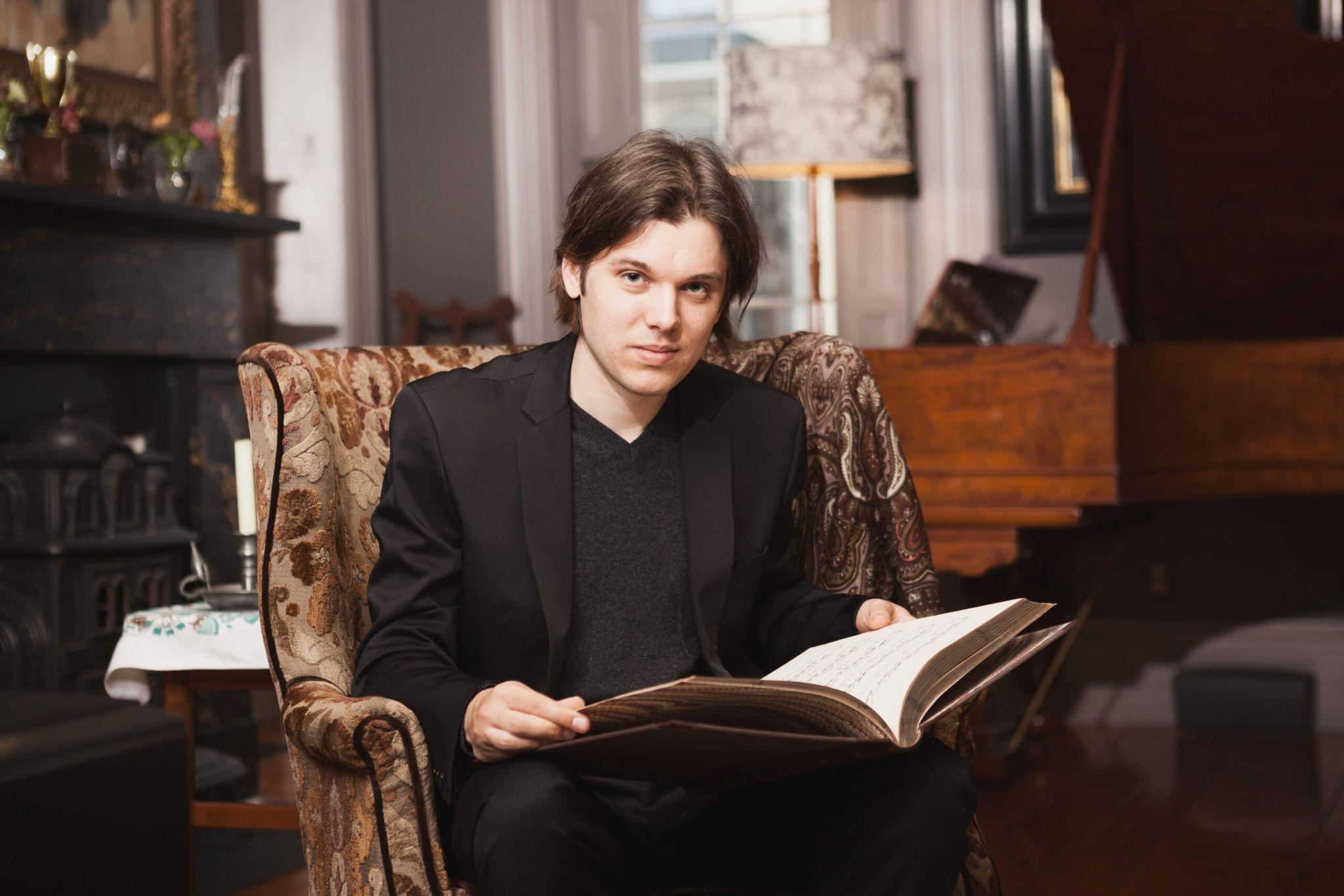
Could you describe what you do as a musician in plain words that are understandable to a non-musician?
I’ll give it a shot!
I perform and record on historical keyboard instruments — from harpsichord and clavichord to pianos from the 18th and 19th centuries. I try to match the instrument to the repertoire and sometimes the repertoire to the instrument. I play solo and in various chamber combinations — duos, trios, etc.
I am also a co-artistic director of ensemble Postscript, which ranges from three musicians to a small orchestra, depending on the project. We regularly collaborate with singers, actors, and dancers.
Last but not least, I try to approach music with historical context in mind — this explorative process takes me beyond the score and into the rich world of performative traditions.
When and how did you decide to become a professional musician? Did you understand what you signed up for back then? Did it turn out the way you had imagined?
I was eight or nine. We had an upright piano at home, and my neighbor started taking piano and accordion lessons. I got interested, taught myself how to read music, and begged my parents to take me to a music school (or so the legend says). They were foolish and kind enough to oblige and never questioned my choice of profession. And neither have I.
Of course, I didn’t understand what I signed up for back then. And I do even less so now… In the beginning, I was mostly interested in composition. In my late teens, my focus shifted towards performance, but I kept my interest in composition and improvisation, which turned out to be very useful for playing music of the past, where these skills come in handy.
Did it turn out the way you had imagined?
I don’t know how it turned out — I think I’m still imagining how it can turn out. I think I will probably stop playing when I figure out what I’m actually doing.
Do you still listen to music for leisure these days?
I do! And it’s a lot of different things. When it comes to the repertoire I play myself, I almost only listen to colleagues I know personally. But I listen to a wide variety of genres.
What are some works of music that are in your personal sacred shrine?
I am not very shriney… Music comes and goes. I don’t interfere too much, don’t hold on to things. It’s more of a field or a wild garden with minimal involvement from the gardener(s) — just some weeding and drought prevention.
What are some recordings that you were inspired by, and why?
Too many. I like recordings with strong concepts. “Do Not Lament” by Rebecca Scout Nelson is one. “Bright Future” by Adrianne Lenker is another.
The recent album by Astrophil & Stella, “A Garden of Black Flowers”, is beautiful.
How important is the presentation of sound to you in a recording? Do you believe a recording can be either “musical” or “sterile”?
Very important and yes, absolutely, recordings can be described as “musical” or “sterile”. A recording or even just a space can elevate or completely destroy a performance. It won’t make boring playing better, but when a good musician meets the right space and recording team, something truly special can happen.
On the other hand, great playing can be completely demolished by an inappropriate space or an incompetent recording engineer. For us musicians, these are scary choices to make — you have to have a lot of trust in your ears and collaborators. Recordings are collaborations, and we don’t always know exactly how the roles are distributed. Some recording engineers should probably be on the cover.
How does audio playback gear, especially headphones, influence the way you perceive recordings and music in general? Does it inform your own performance? Have Hifiman headphones brought any revelations to your creative work?
For me, the gear I use makes a huge difference. From determining how much and how frequently I will want to listen to music for leisure to the amount of detail I will hear in the editing process. Naturalness, spaciousness, layer separation, accurate timbral qualities—all of these matter a lot. I’m pretty demanding, especially with how natural acoustic instruments sound to me, and Hifiman headphones were a total game-changer for me.
Previously, I was using Sennheiser HD600, which is great and a standard still to this day, but I had no idea what I was missing until I tried Hifiman HE1000 Stealth and other Hifiman models. HE1000 was my favorite until Arya Unveiled came out — Arya offers more detail and spaciousness, and it’s somehow even more addictive. In combination with Goldenwave Serenade, it provides everything I can wish for, both for work and pleasure. I’m sure this will not last forever, though, as Hifiman never stops innovating…
The thing with audio gear is that you don’t know what you’re missing until you hear it. It’s difficult to imagine something you don’t know is captured in a recording and can be brought out by better gear.
I think comparing recordings to live sound is not really fair — you can hear things in a recording you will never hear in a live performance, and vice versa. Plus, live performances are usually social events, and as fun as it is, they can also be distracting. For me, listening to recordings with a pair of high-end headphones like Arya and going to a live concert are two completely different experiences, and both have their place.
What was your proudest work or moment you could share with us? Proudest recording?
Hmmm… Strangely, it might still be my first album — the American Romantic repertoire on a 19th-century Chickering piano. I felt very free — unknown repertoire, no previous experience of making CD recordings, and a new instrument. It could’ve been scary, but for some reason, it felt exciting and easy.
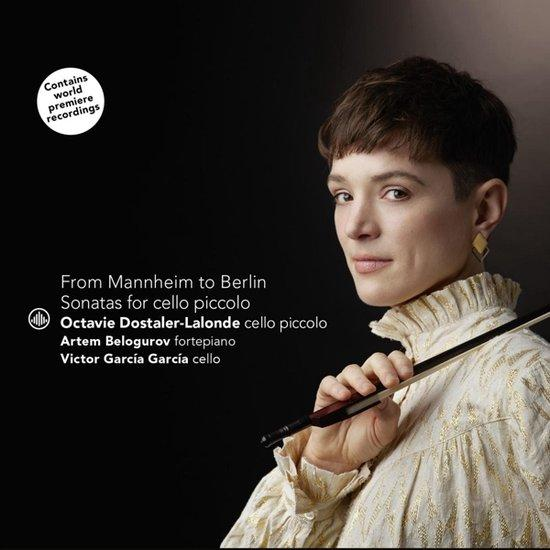
I’m also very proud of collaborative projects with my partner, Octavie Dostaler-Lalonde—our first CD together, “From Mannheim to Berlin,” was a lot of fun to work on, and it was well received. Postscript projects are always special — most of them are live recordings, and playing with these guys is unlike anything else…
Do you have any upcoming performances or albums you’d like to share with us and our audience?
I’m working on a recording of the complete Mozart keyboard sonatas — a long-term project with an excellent team of engineers and producers, with makers and restorers of historical instruments. The first volume will come out sometime in the Spring or Summer of 2026, and I’m really looking forward to it!
← Back to Artists